 France Hub
In 1984, the French national team, then led by Michel Platini, experienced an unforgettable summer by winning the European Championship on home soil, a victory that still resonates in the history of French football. The tournament unfolded in a climate of national euphoria, with matches played in stadiums filled with passionate supporters who created an electric atmosphere.
Platini, with his charisma and unmatched talent, emerged as the star of the tournament, scoring nine goals, a feat that remains in the annals of football. France defeated formidable teams like Belgium and the USSR, showcasing flamboyant play and remarkable team cohesion. This victory marked the beginning of a new era for French football, inspiring generations of players and supporters.
Beyond the victory, Euro 1984 symbolized a true shift in the identity of French football. Before this tournament, the team was often seen as an outsider, but this victory transformed Les Bleus into a feared team on the international stage. The success of 1984 also had repercussions on the football culture in France, encouraging the emergence of youth clubs and highlighting the importance of nurturing local talent.
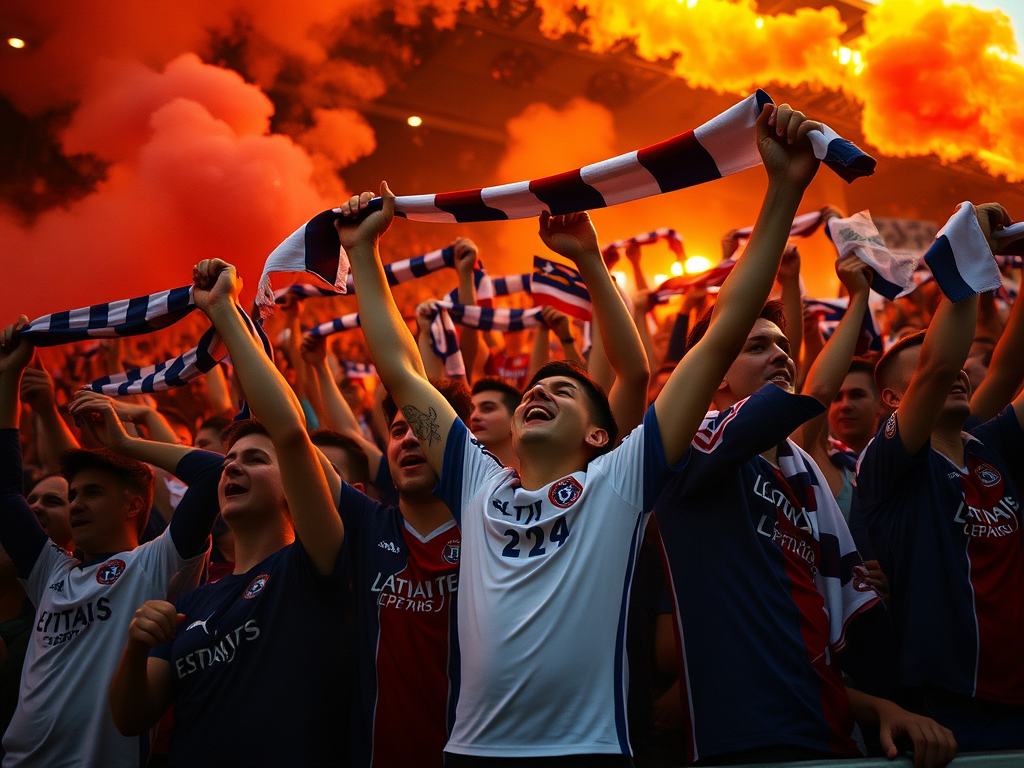
The tournament was also an opportunity for supporters to come together and celebrate a national identity, a dynamic that has persisted through the decades. The chants and flags, which were ubiquitous in 1984, became an integral part of the Blues' culture. This pivotal moment instilled a sense of pride and unity that still resonates in every competition where France participates.
As we approach the 2026 World Cup, it is essential to recall the lessons learned from 1984. Team spirit, determination, and unwavering supporter backing are key elements that can propel Les Bleus to new heights. By celebrating this legacy, the Blues hope not only to replicate the success of 1984 but also to continue writing their own story in the annals of world football.