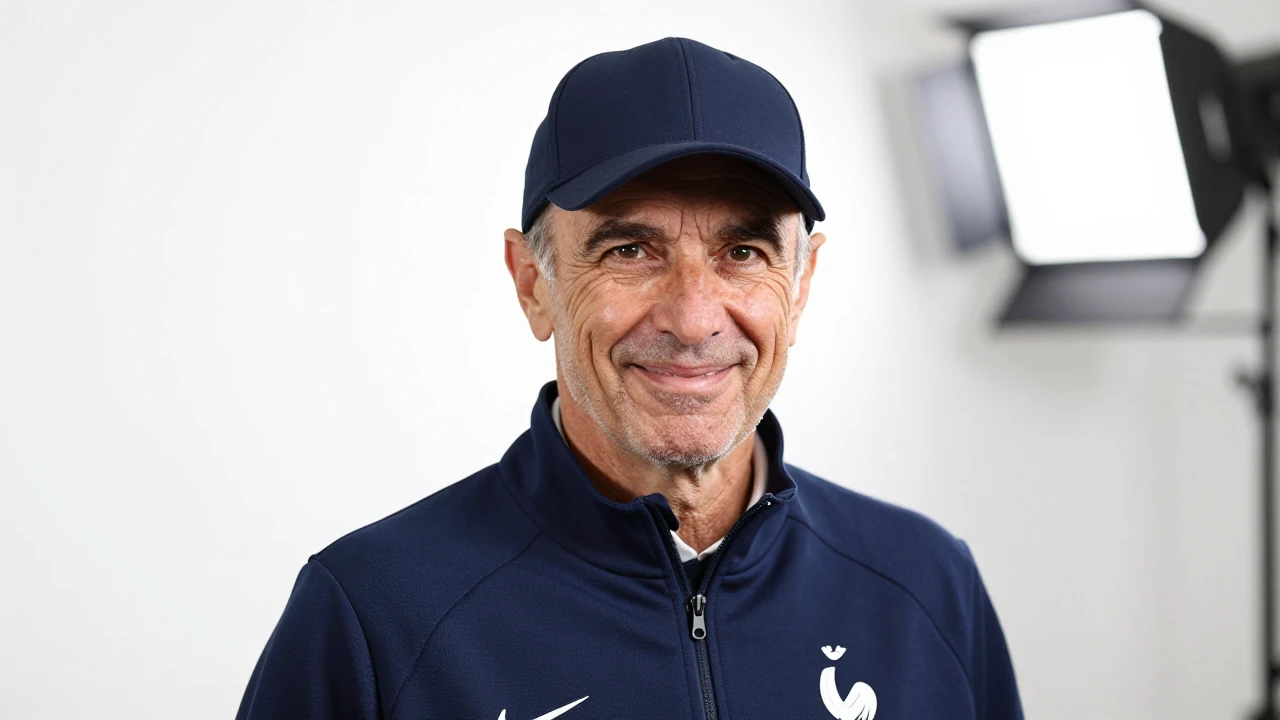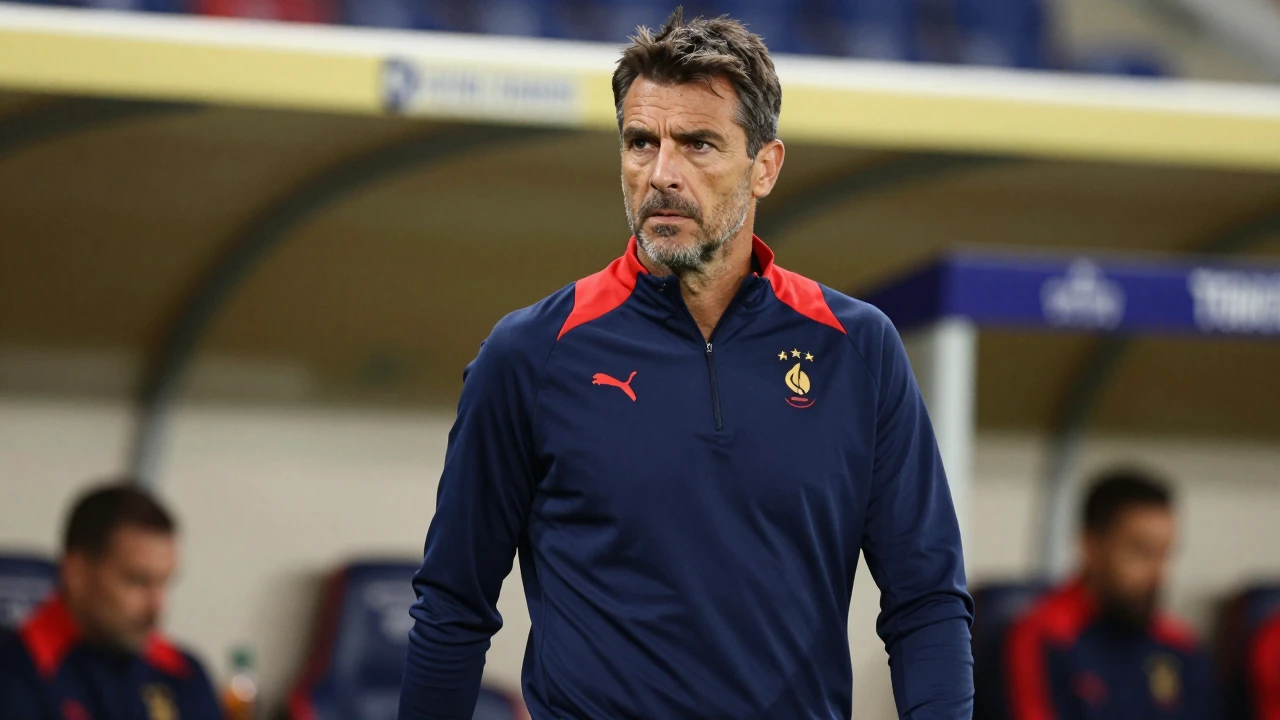

The 1998 World Cup, held in France, is etched in memory as a pivotal moment not only for the national team but for an entire nation. Les Bleus, led by Aimé Jacquet, surprised the world with their collective play, determination, and team spirit. This tournament saw the emergence of stars like Zinedine Zidane, who scored two decisive goals in the final, but it was the entire team that managed to transcend expectations.
The road to victory for Les Bleus was paved with challenges, including a memorable match against Italy in the quarter-finals, where they turned around a delicate situation. Supporters, who had faced disappointments in previous competitions, saw a new glimmer of hope. The excitement for football reached its peak during the final at the Stade de France, where over 80,000 spectators witnessed France's overwhelming victory against Brazil.
Beyond the sporting triumph, this victory had a profound social and cultural impact. It brought together people from all backgrounds, creating a sense of national pride. The famous slogan "United in Diversity" resonated across the country, reminding everyone that football has the power to transcend barriers and unite people.
The legacy of this victory has endured, influencing future generations of players and strengthening national identity. As we look towards the 2026 World Cup, it is essential to remember that Les Bleus are not just fighting for trophies but for a nation that learned to dream again because of this historic moment in 1998.