A Team in Transition
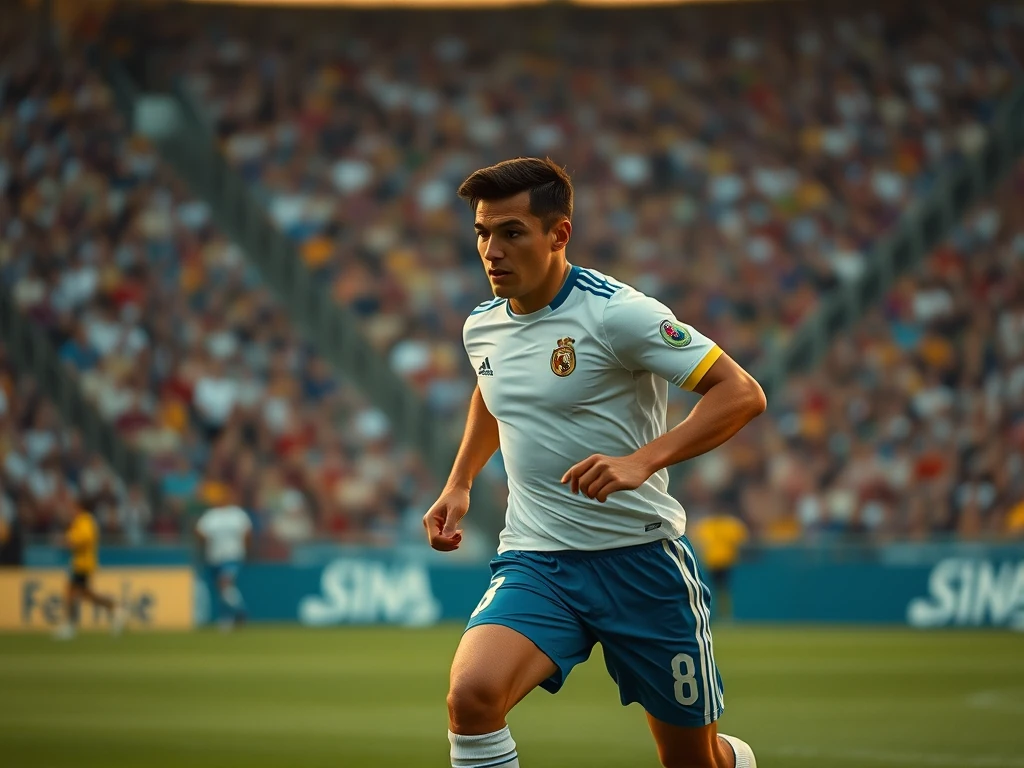
The French national team, following a series of mixed performances, must approach the 2026 World Cup with a more flexible tactical vision. Opponents, increasingly diverse in their approaches, require strategic adaptation to exploit weaknesses while reinforcing the strengths of Les Bleus.
Offensive Adaptation
Recently, France has shown a tendency to rely heavily on key players like Kylian Mbappé and Antoine Griezmann, which has often led to predictability in their offensive play. To remedy this, Didier Deschamps could consider integrating more fluid movements and positional rotations among attackers. For instance, introducing a player like Marcus Thuram into the mix could bring a new dynamic, allowing for variation in finishing approaches and creating space for others.
Midfield Reinforcement
In midfield, France must balance creativity with defensive solidity. Currently, the duo of Aurélien Tchouaméni and Adrien Rabiot is functioning well, but incorporating players like Eduardo Camavinga could offer a new dimension. By adding a midfielder capable of dribbling and progressing with the ball, Les Bleus could create quicker transitions, leveraging the speed of their attackers in counter-attacking phases.
Defensive Variations
Defensively, France has sometimes appeared vulnerable during counter-attacks. To address this, a tactical adaptation could include a three-man backline, allowing for more solid coverage while pushing wing-backs forward to support the attack. This would also provide flexibility to respond to different styles of play, whether against more defensive or aggressive teams.
Conclusion
In summary, Les Bleus need to embrace a more adaptable tactical approach to excel in the 2026 World Cup. With targeted adjustments in attack, midfield, and defense, they can not only strengthen their gameplay but also surprise their opponents in this crucial global tournament.