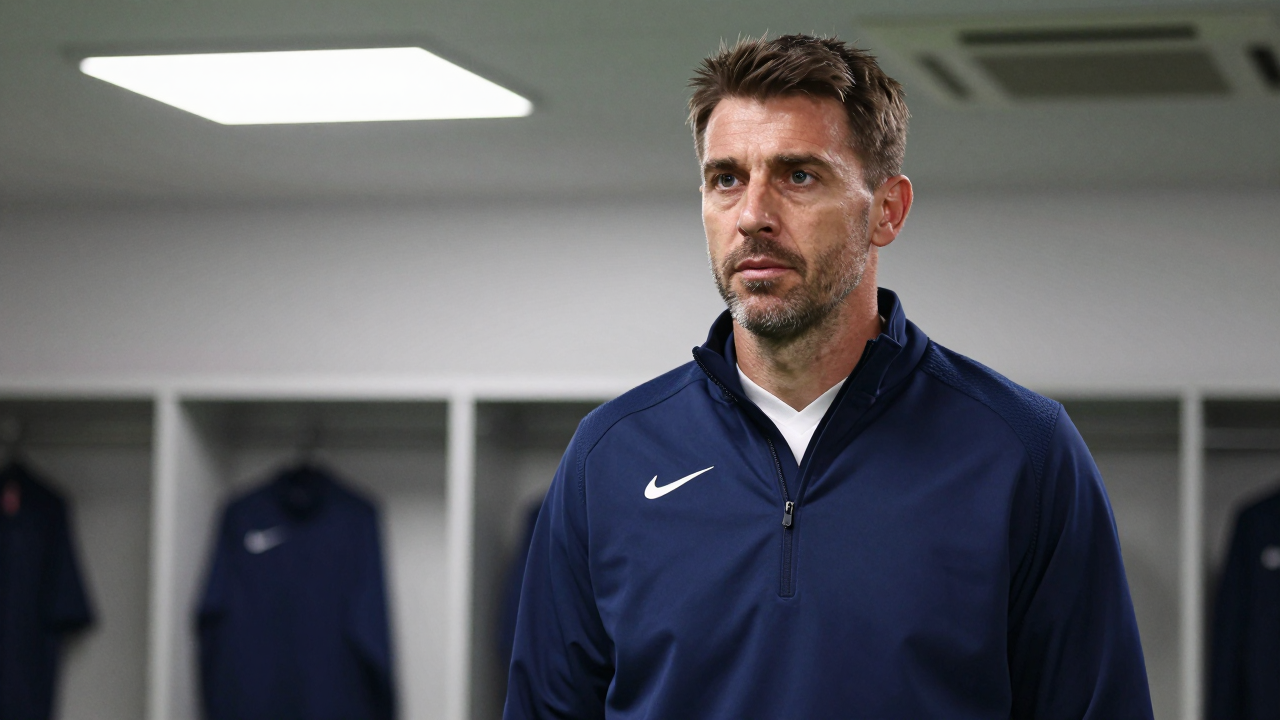
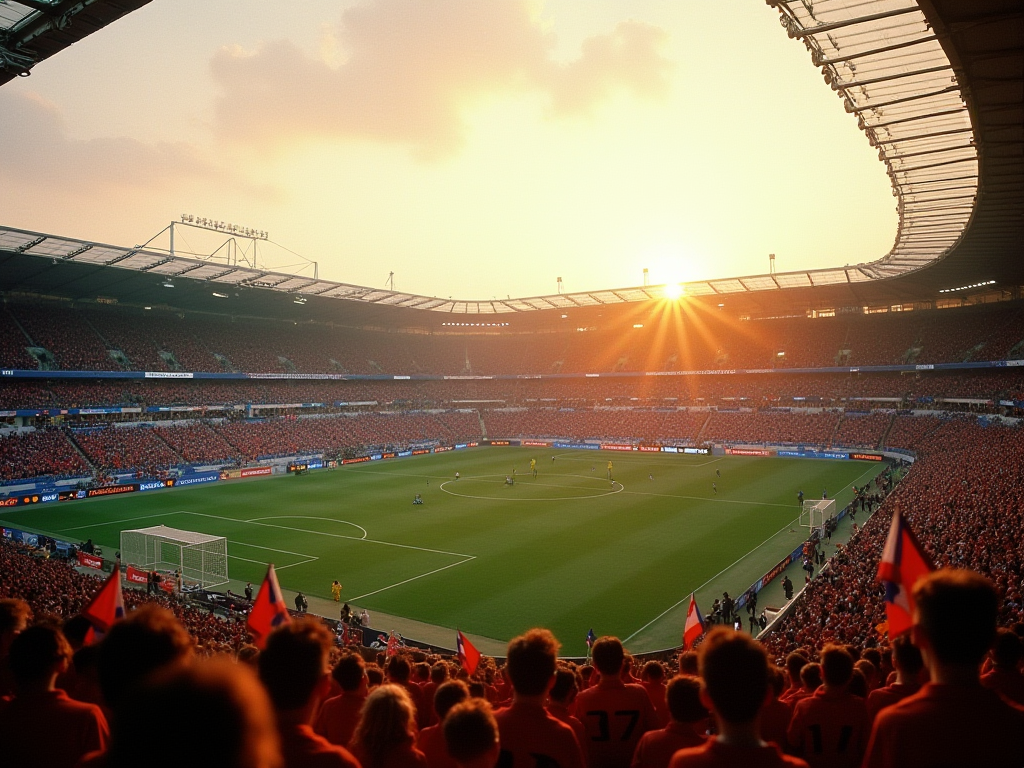
The victory of 1998 is much more than just a sporting triumph; it is a symbol of resilience and unity for France. On July 12 of that year, the Stade de France in Saint-Denis became the stage for an unforgettable feat when Les Bleus won their first World Cup. Under the leadership of iconic coach Aimé Jacquet, the team exceeded expectations and captured the imagination of millions of supporters across the country.
This victory was also the result of meticulous preparation. Jacquet built a strong team, combining experienced players like Didier Deschamps with emerging talents such as Thierry Henry. Their performances demonstrated remarkable cohesion, and the collective play highlighted a tactical philosophy that revolutionized French football. The final match against Brazil was a display of strength, where France not only defended effectively but also scored crucial goals.
Beyond the pitch, this victory had a profound impact on French society. In a country marked by social tensions and divisions, Les Bleus managed to unite an entire nation. Their celebrations in the streets of Paris illustrated the joy and unity that sports can bring, transcending cultural and social barriers. The images of players in tears, holding the World Cup, are etched in the collective memory of France.
The legacy of this victory endures even today. Younger generations, inspired by this epic, dream of following in the footsteps of their idols and wearing their country's colors on the world stage. The Bleus of 1998 paved the way for other successes, including in 2018, and reinforced national pride. As we prepare for the 2026 World Cup, this feat remains a source of inspiration for current players and fans alike, reminding us that the magic of football lies in its ability to unite and inspire.