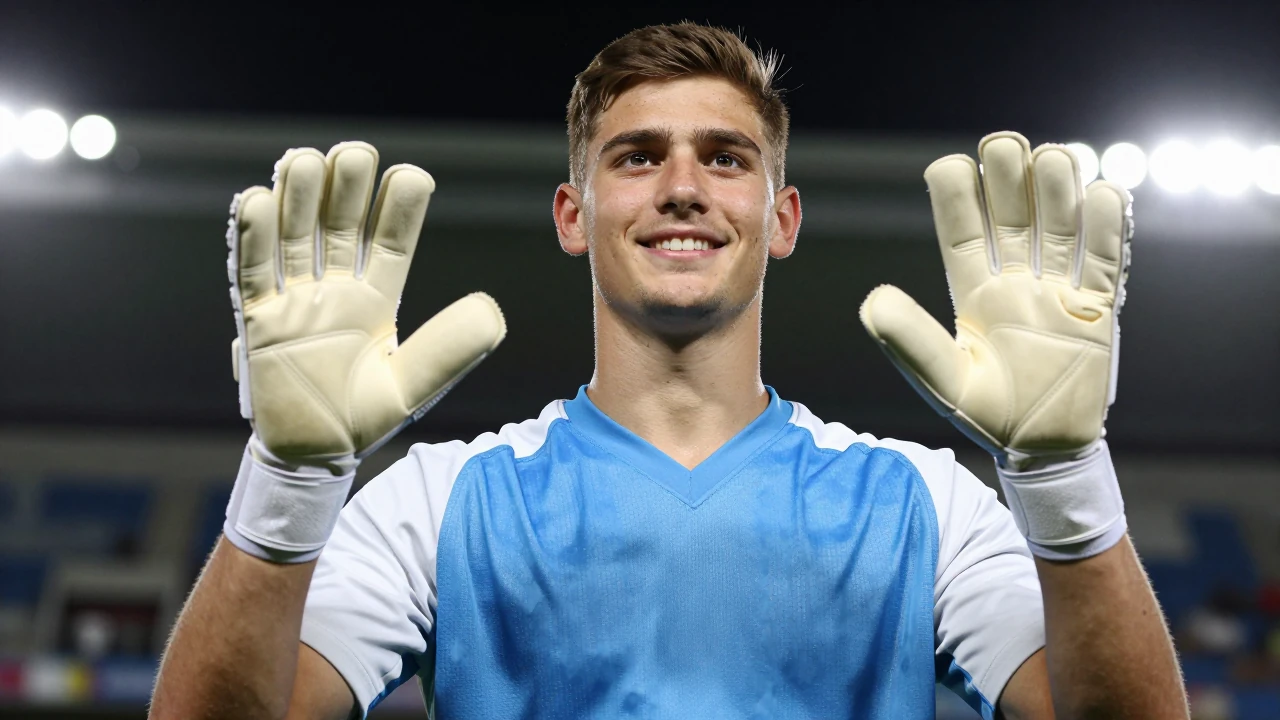

France prepares to face Paraguay tonight, and the match will be shielded by a real‑time IP blocking system, a first‑time rollout during the 2026 World Cup. The mechanism, tested now, aims to cut illegal servers the moment the broadcast starts.
Why is the IP block being deployed?
The new tool targets the IP addresses of pirate streaming servers to stop unauthorized re‑broadcast of the France‑Paraguay game. Pauline Combredet‑Blassel, deputy director‑general of ARCOM, explained that "the interest of IP blocking is to hit the servers," making it harder to spawn new platforms. The approach relies on internet providers blocking the addresses at rights‑holders' request.
Who are the players in the system?
M6 and beIN Sports, the official broadcasters, are working closely with ARCOM and ISPs to activate the filter from the first minute of the match. Sarah D’Arifat, beIN's legal director, notes that Spain already blocks 10,000 pirate addresses in a single championship day, while France blocks only a fraction over a year. She calls for full automation to boost efficiency.
Risks and reactions
Critics warn that a single server can host both legal and illegal sites, risking the shutdown of essential services. Lawyer Ofelia Tejerina, president of the Internet Users Association, flags threats to freedom of information and expression. The debate continues in Parliament, where a draft law will be examined in three weeks.
What lies ahead for upcoming games?
If the test proves successful, IP blocking could become standard for future World Cup broadcasts, including the next clash against Turkey on September 25, 2026. The system's success will hinge on balancing rights protection with preserving legitimate services.
| Event | Detail |
|---|---|
| Last result | Paraguay 0‑1 France (2026‑07‑04) |
| Next fixture | France vs Turkey (away, 2026‑09‑25) |
Tonight's match will therefore be watched closely, not only for the sporting outcome but also for the impact of the new anti‑piracy system.