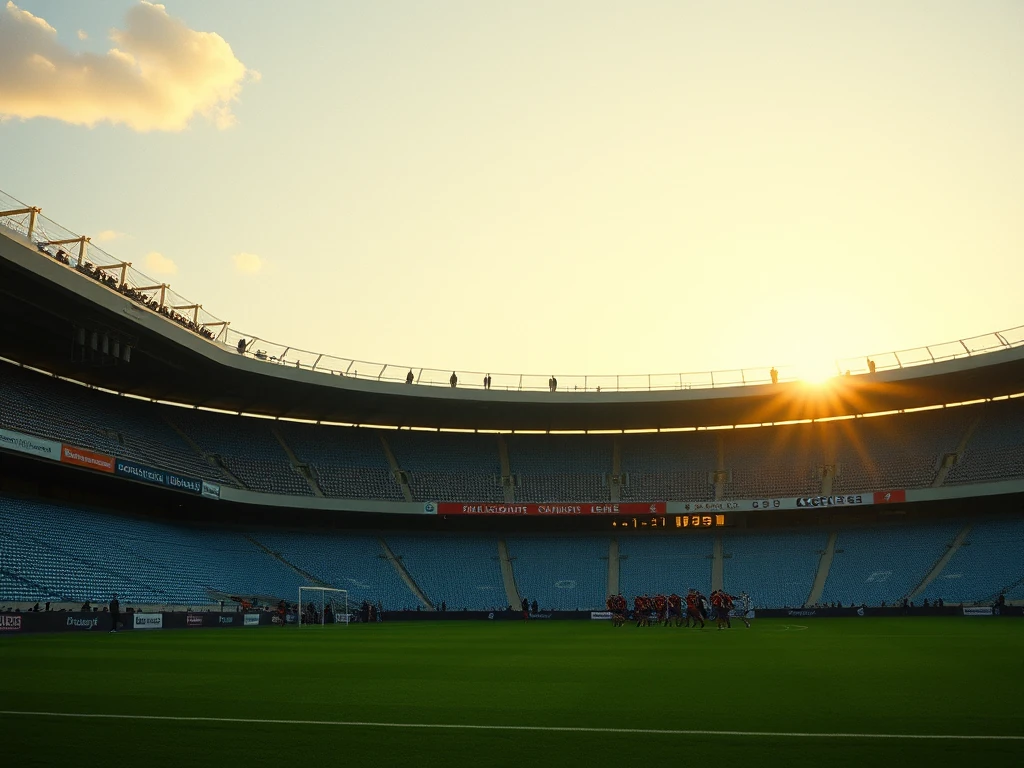

The 1998 World Cup was a turning point for French football. Hosted on home soil, France had the opportunity to shine and show the world what it was capable of. At the time, the team led by Aimé Jacquet faced immense pressure, but they managed to transform it into success on the pitch.
The journey of Les Bleus was epic, with memorable matches including the victory against Brazil in the final at Stade de France. The performances of players like Zinedine Zidane, who scored two headed goals in that final, will remain etched in memory. Zidane was the symbol of a resilient team, uniting talents from different cultures and backgrounds, beautifully embodying the diversity that characterizes France.
This victory had repercussions far beyond the field. It galvanized a nation, uniting supporters from all walks of life behind a single team. Scenes of public jubilation erupted in the streets, making this victory a moment of national pride. It was more than just a title; it was a declaration of identity and belonging for many French people.
The 1998 victory also paved the way for a new generation of players and coaches, inspiring youth to pursue their dreams in football. It highlighted talents from diverse backgrounds, proving that football could be a vehicle for social integration. The impact of this victory is still felt today, as Les Bleus continue to carry the torch of excellence in the football world.
As we prepare for the 2026 World Cup, it is essential to remember this era that shaped the identity of French football. The challenges ahead are immense, but the spirit of 1998 continues to inspire players and supporters of Les Bleus. That year's victory remains a symbol of what France can achieve when it comes together, transcending differences to reach a common goal.